My Cart: 0 item(s)


Thumbnail Filmstrip of Italian Mosaic Chopping Machine: How It Works and Which Tools to Pair Images
Italian Mosaic Chopping Machine: How It Works and Which Tools to Pair
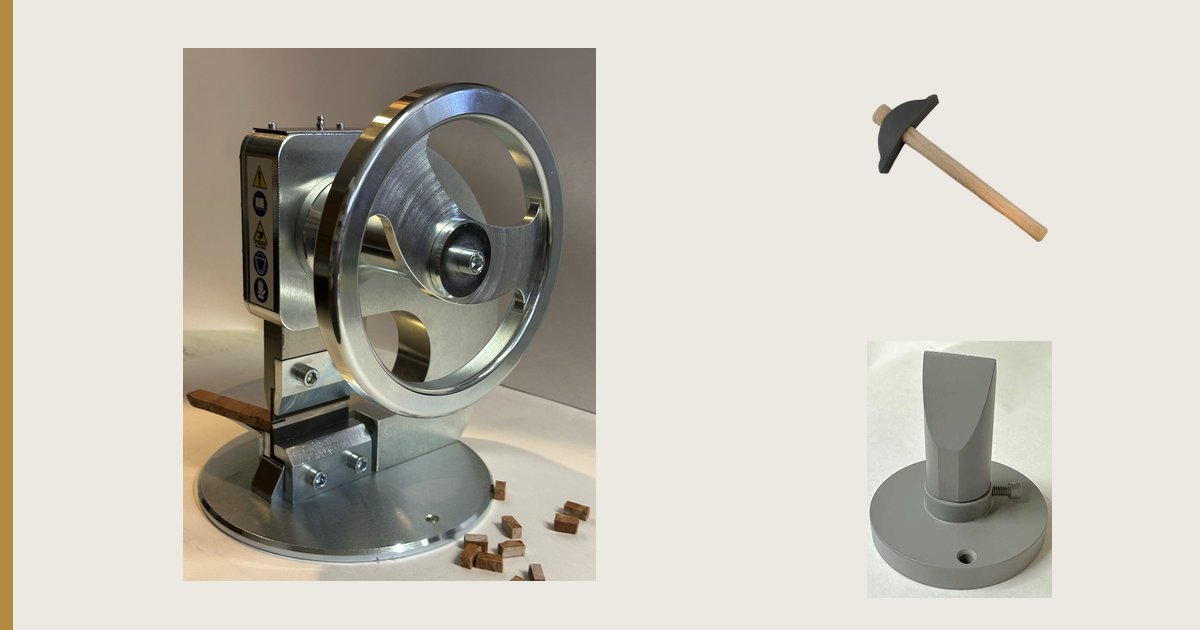
Cutting tesserae cleanly is half the craft of mosaic. Nippers work for small glass jobs. A hammer and hardie still set the standard for irregular stone and smalti. When a studio needs volume and repeatable edges, an Italian mosaic chopping machine (bench shear) takes over. This guide covers how the Mosaic Master Italian Mosaic Chopping Machine works, which blades to run, and how hammers, hardies and wheeled nippers fit beside it. Everything linked here is what we sell.
How an Italian Mosaic Chopping Machine Works
A mosaic chopper is a bench-mounted shear. The tessera sits between a lower anvil blade and an upper cutting blade. Turning the handwheel (or pressing the lever, depending on the frame) brings the blades together and shears the piece in one motion. Unlike a score-and-snap glass cutter, the cut is a controlled crush-shear through the full thickness, which is why the same machine can handle both stone and glass when you change the blade pair.
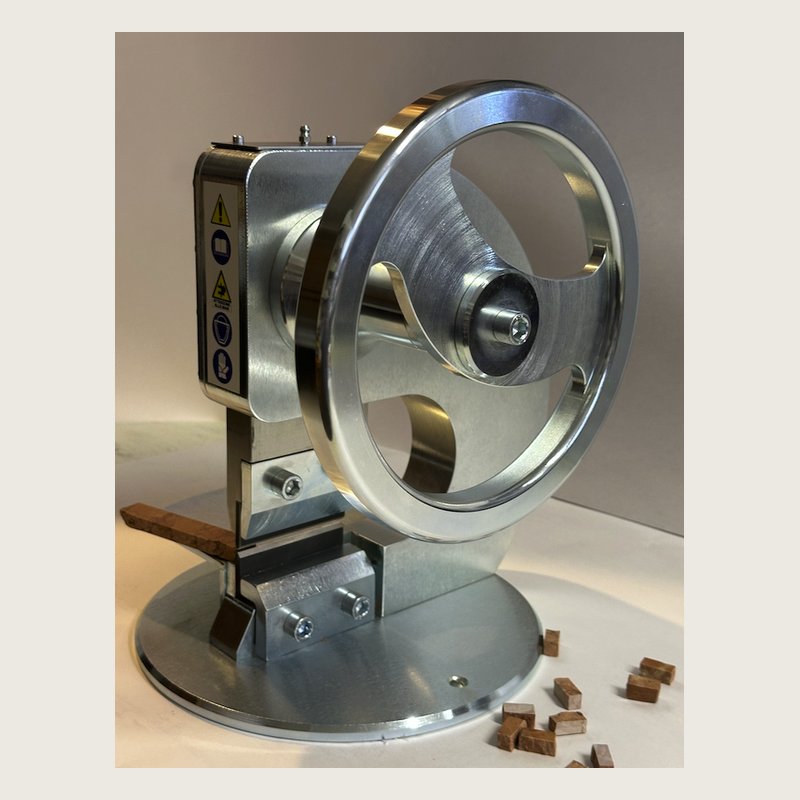
The Mosaic Master Italian Mosaic Chopping Machine is a Made-in-Italy professional unit with a solid steel body, a protective guard and a dual-blade system. One pair of hardened steel blades is for stone and marble. One pair of Widia (tungsten carbide) blades is for glass and smalti. Maximum thickness on the product page is 25 mm (about 1 in). The machine ships with both blade pairs; lead time is typically 6–8 weeks because units are built to order.
Blade choice and setup
Follow the material rule that Italian mosaic shops use across hammers and shears:
- Hardened steel blades for marble, limestone, travertine and other stone. Steel cuts stone well and can be re-ground when dull.
- Widia / carbide blades for glass, smalti and vitreous materials. Carbide stays sharp longer on glass; steel edges dull quickly on the same stock.
Mount the machine on a stable workbench so the frame does not rock under the handwheel. Seat the tessera flat against the lower blade, align the cut mark, and bring the upper blade down in a smooth turn—do not slam the wheel. Keep fingers clear of the guard opening. When you switch from stone to glass, change both blades as a matched pair and recheck clearance before cutting.
See the chopper in studio use
In the clip below, an artist from the Moruzzi studio cuts tesserae for an artistic mosaic on a manual mosaic chopper. Watch how each piece is seated on the blade before the cut.
When to Use a Chopper, Hammer and Hardie, or Nippers
No single tool covers every cut. Match the tool to material, piece size and volume.
| Job | Best tool | Why |
|---|---|---|
| High volume, square or strip cuts in stone or glass up to 25 mm | Chopping machine | Fast, consistent, less hand strain |
| Irregular shapes, andamento, thick stone | Hammer and hardie | Full control of break line; traditional technique |
| Thin glass, smalti nips, on-site touch-ups | Wheeled nippers | Portable; precise small bites |
Hammer and hardie
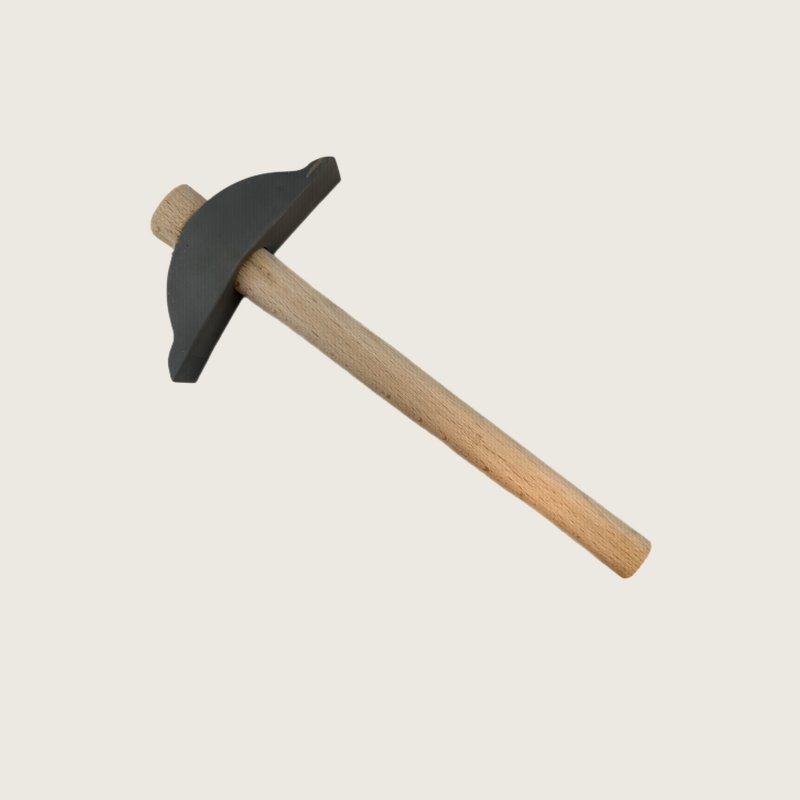
A mosaic hammer and hardie work by impact. The tessera rests on the hardie edge; the hammer tip strikes it and the piece splits along the contact line. Carbide tips favor glass and smalti. Steel tips favor stone. Combo heads give you both in one tool.
We stock several Made-in-Italy and Mosaic Master options:
- Italian Traditional Hammer 750 gr — heavier head for stone and larger tesserae; dual carbide and steel edges with a fixed wood handle.
- Italian Mosaic Hammer 450 gr Fixed Handle — lighter for glass and finer work; dual-head carbide and steel.
- Mosaic Master Hammer Combo Carbide and Steel — 1.5 lb (680 g) combo head with handle for all-around studio use.
Hardie options depend on your bench:
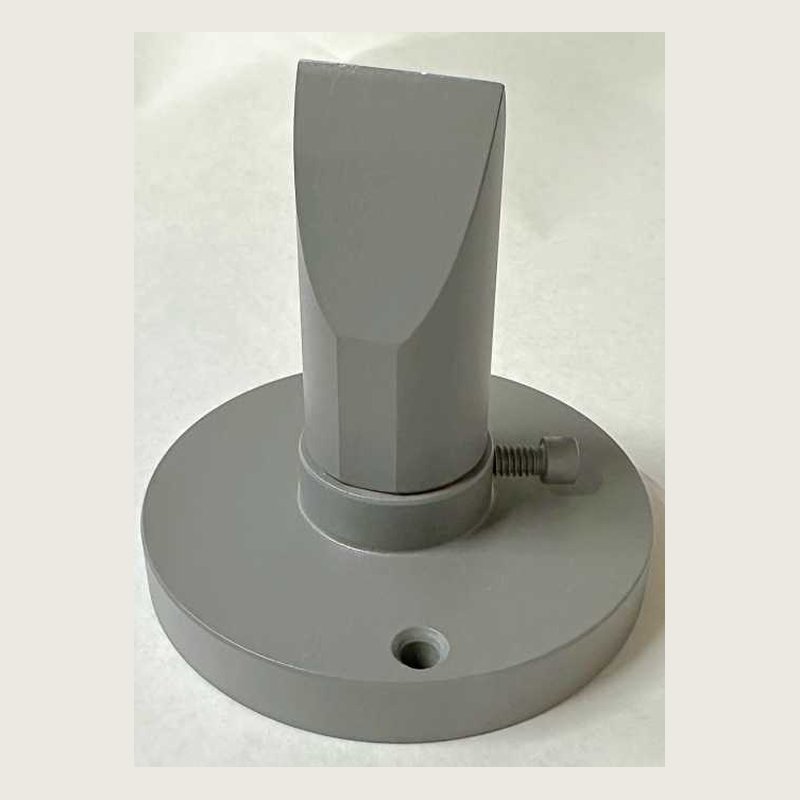
- Mosaic Master Hardie and Base — weighted worktop base with a detachable threaded hardie; good when you do not want a log. See also our guide Why mosaic artists choose the Mosaic Master Hardie and Base.
- Mosaic Master Hardie Base and Mosaic Master Hardie threaded — sold separately if you already own one half of the set.
- Mosaic Master Traditional Steel Hardie — pin-style hardie for a drilled log or wood block, the classic Ravenna-style setup.
A hammer and hardie is easier on the forearm than nippers for long sessions, because the hammer’s weight does much of the work. Expect a learning curve: practice on scrap until the break line goes where you aim.
Wheeled nippers
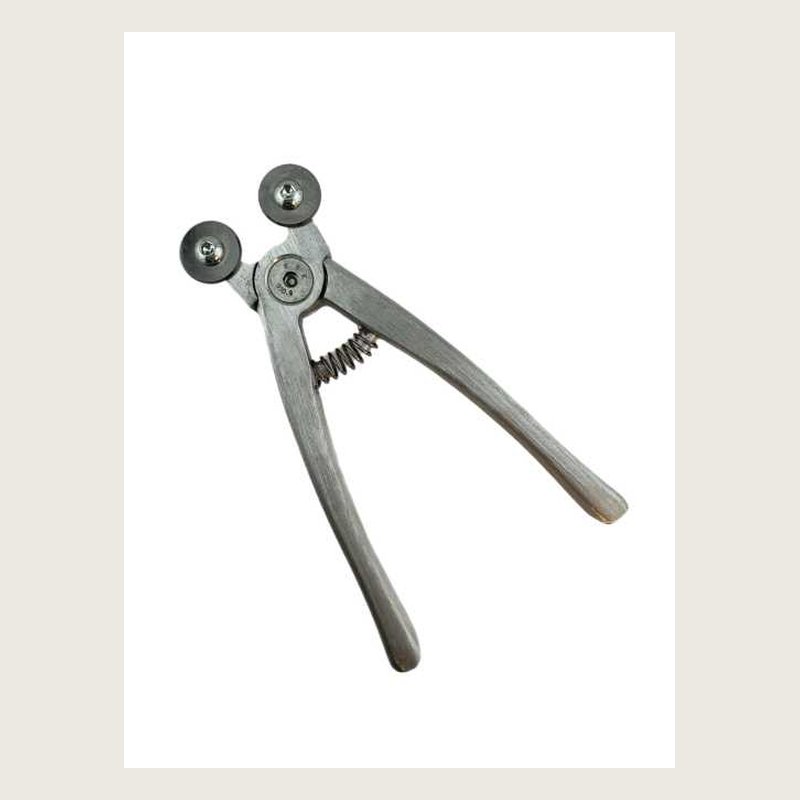
Wheeled nippers score and snap thin glass and ceramic with carbide wheels. They are the right tool for quick shape adjustments, curves and field work where a bench shear is impractical.
- Aluminum Carbide Wheeled Nippers — lightweight aluminum body with carbide wheels for glass and smalti.
- Montolit Mosaic Wheeled Nippers — titanium-coated tungsten carbide wheels for mosaic artists and tile pros.
- Montolit Crab Wheeled Nippers — crab-style jaws for controlled nips on mosaic tile.
- Montolit Replacement Wheel — scoring wheel for Crab and wheeled Montolit nippers when the edge wears.
Building a Studio Cutting Kit
A practical kit for mixed stone and glass work looks like this:
- Chopper for production runs of squares, rectangles and strips.
- Hammer + hardie for andamento, irregular shards and thick stone.
- Wheeled nippers for glass touch-ups and on-site cuts.
- Spare blades / wheels — keep a second steel and Widia pair for the chopper, and a spare Montolit wheel, so dull edges never stop a job.
Keep steel and carbide edges on separate trays so a stone-dulled steel blade never gets used on glass by mistake. Wear eye protection. Sweep chips before they get under the next tessera and tilt the cut.
FAQ
What is an Italian mosaic chopping machine?
It is a bench-mounted shear (bench shear) with matched upper and lower blades. Turning the handwheel shears stone, glass smalti or ceramic tesserae up to the machine’s thickness limit—25 mm on the Mosaic Master model we sell.
Do I need both steel and Widia blades?
Yes for mixed media. Use hardened steel blades for stone and marble. Use Widia (tungsten carbide) blades for glass and smalti. The Mosaic Master chopper includes both pairs.
Can wheeled nippers replace a chopping machine?
Not for volume or thick stock. Nippers are excellent for thin glass and small adjustments. A chopper is faster and cleaner for repeated square cuts and material thicker than nippers handle comfortably.
Hammer and hardie or chopping machine for beginners?
Start with wheeled nippers for glass practice, then a mid-weight hammer and hardie to learn traditional breaks. Add the chopping machine when you need production speed or consistent strips for large installations.
How long does the Mosaic Master chopping machine take to arrive?
The product page lists a typical lead time of 6–8 weeks because the machine is Made in Italy and built to order. Confirm current timing when you order.